
You walk up to an ATM, pop in your card, grab your cash, and go. It takes less than a minute, and most days everything works exactly as it should. But criminals have found sneaky ways to turn that quick stop into a payday for themselves with ATM scams. Two of the most common tricks are skimming and cash trapping, and both can happen without you noticing a thing until your money is gone.
The good news is that a little know-how goes a long way. Once you understand how these ATM scams work and what to look for, you can protect yourself in seconds. Let’s break it down.
How Skimming Works
Skimming is all about stealing your card details and your PIN so a thief can drain your account or create a fake card. Here’s what usually happens. A criminal attaches a small device, called a skimmer, right over the real card slot on the ATM. When you insert your card, the skimmer reads and copies the information stored on the magnetic stripe. The machine still works normally, so you have no idea anything is wrong.
But your card number alone isn’t enough. Thieves also need your PIN. To grab it, they use one of two tricks:
- A hidden camera aimed at the keypad, often tucked into a fake panel, a brochure holder, or a tiny pinhole above the keys.
- A PIN overlay, which is a fake keypad placed right on top of the real one. It records every button you press while still passing your entry through to the machine.
With both your card information and PIN, a criminal may be able to use your information to make unauthorized transactions or create a counterfeit card.
How Cash Trapping Works
Cash trapping goes after your money directly instead of your card details. With this scam, a thief slips a device into the cash dispenser, the slot where your bills come out. You go through the whole transaction, your account gets debited, but no cash appears. It feels like the machine glitched.
You might assume that the ATM is broken and proceed to walk away or go into the bank to find out what happened. As soon as you’re gone, the criminal returns, removes the hidden device, and pockets the bills that were trapped inside the whole time. Your money never made it into your hands but it’s certainly out of your account.
Warning Signs to Watch for at an ATM
Most tampering leaves clues if you know where to look. Before and during your transaction, keep an eye out for these red flags:
- A loose or bulky card slot. Take a moment to look at the card slot and keypad. If anything appears loose, bulky, or different from the rest of the machine, don’t use it.
- A sticky or spongy keypad. If the buttons feel unusually thick, raised, or hard to press, there may be a fake overlay sitting on top.
- Signs of a hidden camera. Look for tiny holes, mismatched panels, or anything angled toward the keypad that seems out of place.
- Odd attachments or extra pieces. Loose brochure holders, mirrors, or plastic parts near the keypad or screen can hide cameras.
- Cash that won’t dispense. If your account is charged but no money comes out, don’t just leave. This is a classic cash trapping setup.
- Anything that looks glued on or freshly added. Bits of tape, glue residue, or scratches around the slots are worth a second look.
Trust your gut. If a machine feels off in any way, use a different one and report it to the bank.
Simple Steps to Protect Yourself
A few easy habits make you a much harder target. Follow these before, during, and after every ATM visit.
Before your transaction:
- Choose ATMs in well-lit, busy spots, ideally at a branch or inside a store, where tampering is riskier for criminals.
- Whenever possible, use an ATM at your financial institution or another trusted location. Be especially cautious with unfamiliar or privately owned ATMs.
- Give the card slot a quick wiggle and scan the keypad and surrounding area for anything unusual.
- Have your card ready so you’re not fumbling and distracted.
During your transaction:
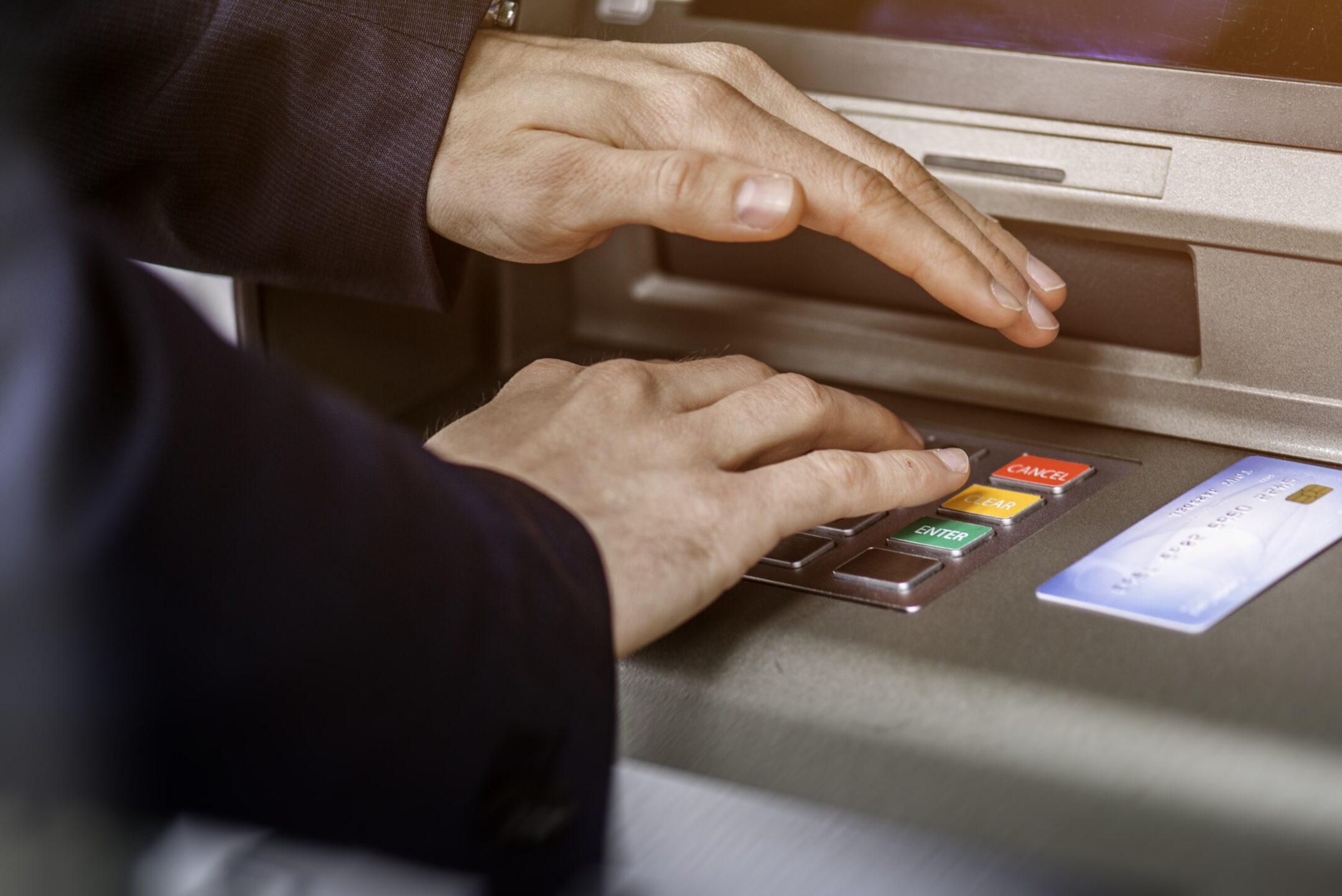
- Cover the keypad with your free hand while you type your PIN. This simple move blocks hidden cameras and shoulder surfers.
- Stay alert to anyone standing too close or watching over your shoulder.
- If the machine behaves strangely or the cash doesn’t come out, don’t walk away just yet. Note what happened and contact the bank right away.
After your transaction:
- Take your card, cash, and receipt with you.
- Check your account regularly through online or mobile banking so you catch anything odd fast.
- Turn on account alerts so you get a heads-up the moment a transaction posts.
One quick note worth remembering: Members 1st of NJ will never ask you for your PIN or the three-digit security code on the back of your card. If anyone asks for those, whether by phone, text, or email, it’s a scam. Hang up and call us directly.
What to Do if You Think You’re a Victim of ATM Scams
If you suspect you’ve been hit by one of these ATM scams, move quickly. Fast action gives you the best shot at protecting your money and recovering any losses. Here’s your action plan:
1. Block your card right away
During office hours, please call 856-696-0767. After hours, please call 800-472-3272 to have your card blocked immediately. The sooner you call, the sooner we can step in to help.
2. Check your account
Log in to online or mobile banking and review recent transactions. Write down anything you don’t recognize, including dates and amounts. And if you haven’t already set up your online or mobile banking don’t wait. Setting it up is quick and easy.
3. Change your PIN
Once your card is secured, set a new PIN so the old one is useless to anyone who captured it. This can be done by calling Members 1st at 800-992-3808.
4. Report it to the FTC
File a report at IdentityTheft.gov to create an official record and get a recovery plan.
5. Keep watching
Fraud can show up in waves, so keep an eye on your account and statements over the following weeks and even months.
You’ve Got This
ATM scams sound scary, but you’re far from powerless. A quick glance at the machine, a hand cupped over the keypad, and a habit of checking your account regularly will keep you a step ahead of the people trying to take advantage. If you notice suspicious activity or believe your card information may have been compromised, don’t wait. Contact Members 1st of NJ as soon as possible so we can help you protect your account.
ATM Scams FAQ
What is ATM skimming?
ATM skimming is when a criminal attaches a hidden device over the card slot to copy the information on your card’s magnetic stripe. They often pair it with a hidden camera or a fake keypad overlay to capture your PIN, giving them everything they need to access your account.
What is cash trapping?
Cash trapping is a scam where a thief places a device inside the ATM’s cash dispenser. Your account gets charged, but the bills are held back inside the machine. Once you leave thinking it malfunctioned, the criminal returns to remove the device and take your cash.
How can I tell if an ATM has been tampered with?
Look for a loose, bulky, or oddly colored card slot, a keypad that feels sticky or raised, tiny holes or mismatched panels that could hide a camera, and any pieces that look glued on or added recently. If your cash doesn’t dispense after your account is charged, that’s a warning sign too. When in doubt, use a different machine.
What should I do if I think I’m a victim of an ATM scam?
During office hours, call 856-696-0767. After hours, please call 800-472-3272 to have your card blocked immediately. Then review your account for unfamiliar charges, change your PIN, and report the fraud to the FTC at IdentityTheft.gov.
Will Members 1st of NJ ever call and ask for my PIN or card security code?
No. Members 1st of NJ will never ask for your PIN or the three-digit security code on the back of your card. If someone requests that information by phone, text, or email, it’s a scam. Hang up and call us directly using a number you trust.
How can I find a safe ATM to use?
Stick with ATMs in well-lit, busy locations and use machines within a trusted network. As a Members 1st of NJ member, you have access to thousands of surcharge-free CO-OP network ATMs nationwide, which you can locate through our website.