
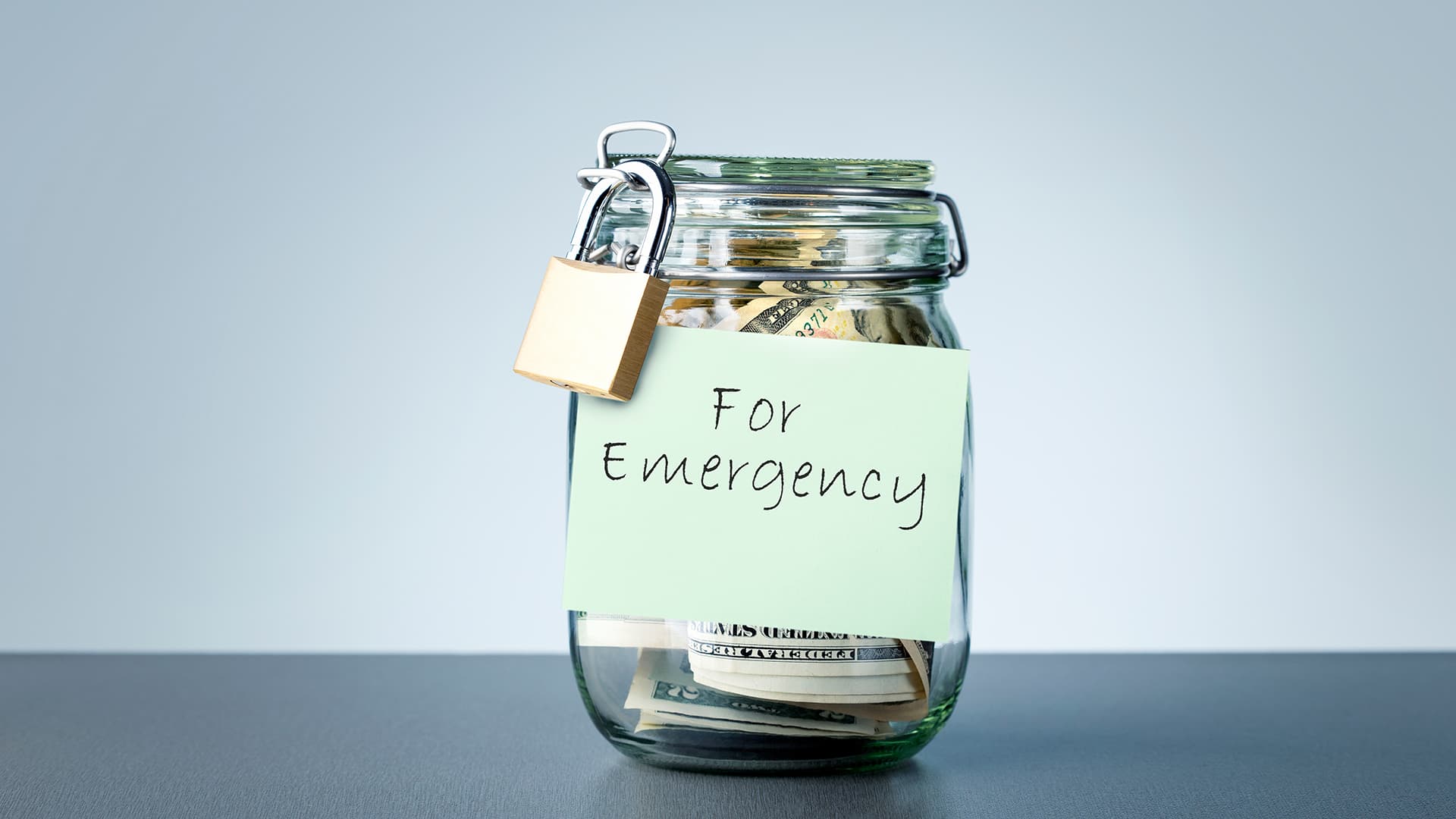
Most Americans can’t afford to pay for a $1,000 emergency.
In fact, the share of Americans who can cover a major unexpected expense using only their savings has declined in recent years. According to Bankrate’s annual Emergency Savings Report, just 30% of Americans could pay for an unexpected expense from their savings account. That’s down from 41% last year and 44% the year before. “Most American households want to grow their savings,” says Stephen Kates, CFP®, Bankrate Financial Analyst, “but few are making meaningful progress right now.” While rising costs continue to challenge household budgets, building emergency savings remains one of the most effective ways to reduce financial stress and improve long-term financial stability.
Why emergency savings matter
Unexpected expenses are a normal part of life. Cars break down. Appliances stop working. Medical bills arrive. Children need school supplies. Travel plans change. The question isn’t whether an unexpected expense will happen. It’s whether you’re financially prepared when it does. Without savings, many households turn to credit cards or other forms of borrowing to cover emergency costs. While that may solve the immediate problem, it can create additional financial pressure in the months that follow. An emergency fund helps create options. Instead of scrambling to find money when something goes wrong, you have a financial cushion already in place.
Start smaller than you think
One reason many people struggle to build savings is that the goal feels overwhelming. Traditional advice often recommends saving three to six months of expenses. While that can be a useful long-term objective, it doesn’t have to be your starting point. A more manageable approach is to focus on building an initial emergency fund and growing it gradually over time. Even a few hundred dollars can help cover common unexpected expenses and reduce the need to rely on credit. The most important factor isn’t how much you save at first. It’s developing a consistent saving habit.
Make saving automatic
One of the easiest ways to build momentum is to automate the process. Setting up an automatic transfer from checking to savings removes the need to make a decision each month. Instead of saving whatever is left over, you’re prioritizing savings from the start. Small contributions can add up surprisingly quickly. Saving $25 per week, for example, results in $1,300 over the course of a year. Consistency often matters more than the amount.
Build resilience one step at a time
Financial resilience isn’t built overnight. It develops through small decisions repeated consistently over time. Every dollar saved creates a little more flexibility, a little more confidence, and a little more protection against future financial stress. You don’t need a perfect savings account to make progress. You simply need a place to start. Building a financial buffer today can make the next unexpected expense easier to manage—and help you stay focused on your long-term financial goals.