
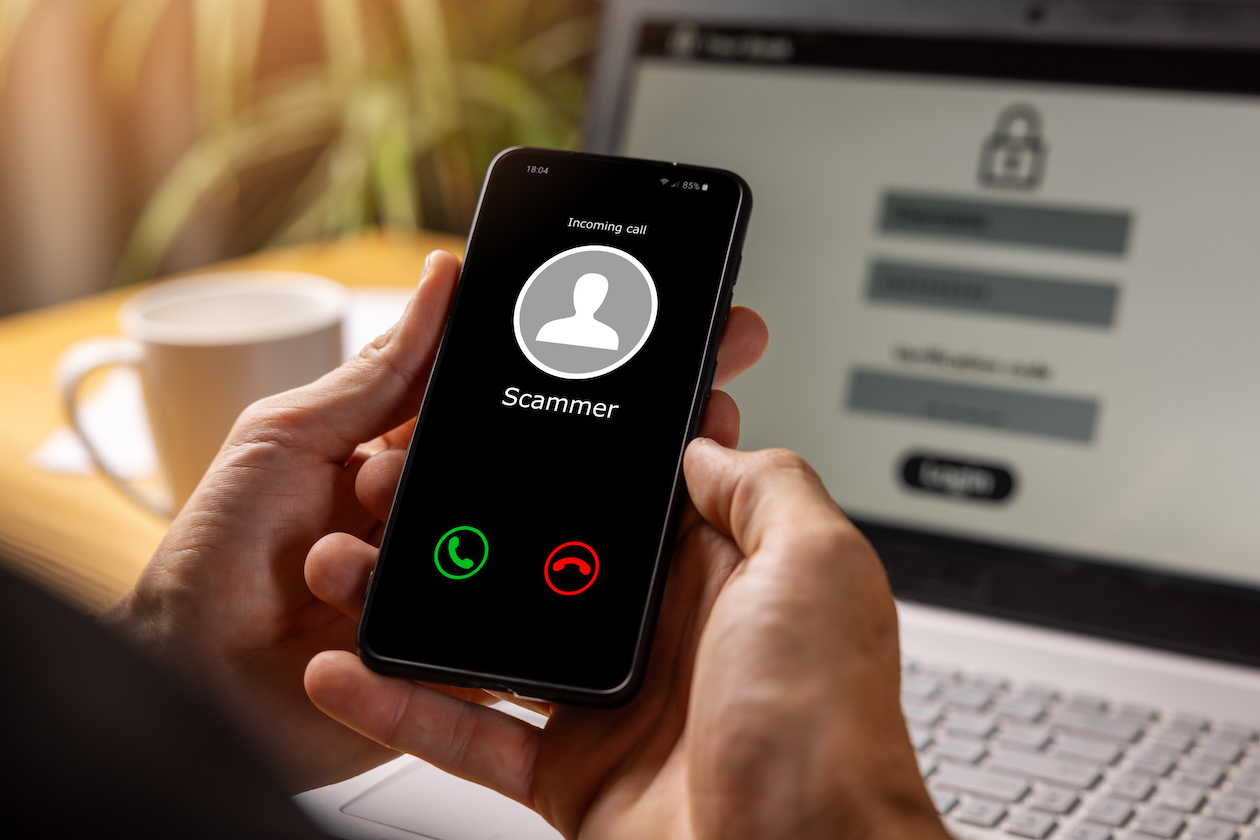
Your money should feel safe. But scammers are getting bolder, and bank fraud can hit anyone, including people who are really careful and do everything right. The good news? A few smart habits can keep your accounts protected. Even better, knowing the warning signs gives you a real head start.
This guide walks you through how to prevent bank fraud, what suspicious activity looks like, and the exact steps to take if you think someone has gotten into your account. Let’s dig in.
What Is Bank Fraud, and Why Should You Care?
Bank fraud is when someone steals your money or banking information without your permission. That can mean a scammer draining your checking account, opening credit in your name, or tricking you into handing over your login details.
Why it matters: fraud can cost you time, money, and a lot of stress. The faster you spot it and report it, the more likely you are to recover your funds and limit the damage. A little awareness goes a long way in protecting your accounts and your credit.
How Can You Prevent Bank Fraud?
The best defense is making it hard for scammers to reach you in the first place. Here are practical steps you can start using today.
Guard Your Personal Information
Treat your account numbers, PINs, passwords, and Social Security number like cash. Never share them in a text, email, or phone call you did not start yourself.
Here’s a rule worth remembering: Members 1st of NJ will never call you and ask for your personal or account information. If someone claiming to be from the credit union asks for that, hang up.
Use Strong, Unique Passwords
Reusing the same password across sites is one of the easiest ways for fraudsters to get in. Create a different password for your banking login, and make it long and tough to guess.
A few quick tips:
- Use a mix of letters, numbers, and symbols
- Avoid birthdays, pet names, or anything posted on social media
- Consider a password manager to keep track of them all
Turn On Account Alerts
Most accounts let you set up text or email alerts for transactions, low balances, or logins from new devices. Switch these on. They turn your phone into an early warning system, so you catch trouble within minutes instead of weeks.
Be Careful on Public Wi-Fi
Free Wi-Fi at a coffee shop or airport is convenient, but it is not secure. Avoid logging into your bank account on public networks. If you must, use a trusted VPN to keep your connection private.
Keep Your Devices Updated
Those software update reminders you keep ignoring? Many of them patch security holes. Update your phone, computer, and banking apps regularly, and enable automatic updates so you don’t have to think about it. For an extra layer of security, use multi-factor authentication whenever available and add antivirus protection for extra peace of mind.
Watch Out for Phishing and Spoofing
Scammers often pretend to be your financial institution. They might send a fake link, a worried text about “suspicious activity,” or even spoof a real phone number so it looks legit on your caller ID.
Here are a few common scam scenarios to watch out for:
- The “Urgent” Email: You receive an email with your bank’s logo that says your account is locked due to suspicious activity. It asks you to click a link to verify your identity. The link takes you to a fake website that looks like your bank’s login page, designed to steal your username and password. Never click links in unexpected emails.
- The “Fraud Alert” Text Message: A text message warns you about a large, fake transaction and tells you to reply “YES” or “NO.” If you reply, a scammer calls you pretending to be from the bank’s fraud department to “help” you, but their real goal is to get your account details or ask you to transfer money to a “safe” account. Your bank will never ask you to send money to yourself or anyone else.
- The “Unexpected Winner” Call: Someone calls claiming you’ve won a prize or are eligible for a special loan offer. To receive it, they say you need to pay a small fee or provide your bank details first. If it sounds too good to be true, it probably is.
In fact, Members 1st of NJ has alerted members about spoofing calls that appear to come from the credit union’s own number. If you get a call like that asking for information, hang up immediately and call back directly at 856-696-0767. When in doubt, always reach out using a number you trust, not the one that called you.
What Are the Common Warning Signs of Bank Fraud?
Suspicious activity usually leaves clues. Spotting them early can save your savings. Watch for these red flags.
Transactions You Do Not Recognize
Even a small charge you cannot explain deserves attention. Thieves often test an account with a tiny purchase before going big. If you see something off, act on it right away.
Missing Statements or Mail
If your bank statements or new cards suddenly stop arriving, someone may have changed your mailing address or intercepted your mail. That is a serious signal worth checking immediately.
Surprise Account Changes
Got an email confirming a password reset, new login, or contact update you never made? Do not ignore it. These notices often mean someone is trying to take over your account.
Calls or Texts Pressuring You to Act Fast
Scammers love urgency. “Your account is locked, verify now or lose access.” Real financial institutions do not rush you into sharing sensitive details. Pressure plus a request for personal info equals a scam.
Declined Cards or Unexpected Account Locks
If your card stops working for no clear reason or your account gets frozen unexpectedly, fraud could be the cause. Reach out to Members 1st to find out what happened.
What Should You Do If Bank Fraud Has Already Happened?
Take a breath, then move quickly. Acting fast gives you the best shot at recovering your money and stopping further damage. Follow these steps in order.
Step 1: Contact Your Credit Union Right Away
Call Members 1st of NJ FCU as soon as you notice something wrong, at 856-696-0767. We can freeze your account, block fraudulent transactions, and start the recovery process. The sooner you call, the better your odds.
Step 2: Change Your Passwords and PINs
Update your online banking password first, then any other accounts that share the same one. Set new PINs for your cards too. This is like changing the locks after you lose your keys. It helps prevent further unauthorized access to your accounts.
Step 3: Review Your Recent Activity
Go through your transactions and write down anything you do not recognize. Note the dates, amounts, and any details you can find. This record helps your credit union investigate and supports any claim you file.
Step 4: Place a Fraud Alert and Check Your Credit
Contact one of the three credit bureaus (Equifax, Experian, or TransUnion) to place a fraud alert. They are required to notify the other two. Then review your credit reports for accounts you never opened.
Step 5: Report It
File a report with the Federal Trade Commission at IdentityTheft.gov. For certain cases, you may also want to file a report with your local police. Keep copies of everything for your records.
Step 6: Keep Monitoring
Fraud sometimes shows up in waves. Keep a close eye on your accounts and credit reports for the next several months. Those alerts you set up earlier will do a lot of the heavy lifting here.
Keep Your Money Safe
Bank fraud is real, but you are far less powerless against it than you think. Remember:
- Protect your information with strong passwords, account alerts, and a healthy dose of caution
- Know the warning signs, from strange transactions to urgent calls pressuring you to act
- Act fast if fraud happens by calling Members 1st, securing your accounts, and reporting it
If anything ever feels off with your account, do not wait. Reach out to the Members 1st of NJ team at 856-696-0767 or 1-866-858-3164. We are here to help you keep your money where it belongs: with you. Whether you have spotted something suspicious, received a strange call, or just want to double-check your account activity, no concern is too small. Our team is ready to walk you through your options, answer your questions, and help you take the right steps forward. You do not have to figure it out alone.
Bank Fraud FAQ
What is the first thing I should do if I suspect bank fraud?
Call your credit union immediately. For Members 1st of NJ members, that number is 1-866-858-3164. They can freeze your account and stop further unauthorized transactions while you sort things out.
Will Members 1st of NJ ever call me to ask for my account information?
No. Members 1st of NJ will never call and ask for your personal or account details. If you get a call like that, even if the number looks real, hang up and call back directly at 1-866-858-3164.
What is a spoofing call?
A spoofing call is when a scammer fakes the caller ID so it looks like the call is coming from a trusted source, such as your credit union. Some members have reported these calls using the credit union’s real number. When in doubt, hang up and call back using one of our trusted numbers.
Can I get my money back after bank fraud?
Often, yes. Federal protections and your credit union’s fraud policies can help you recover funds, especially if you report the fraud quickly. That is why fast action matters so much.
How do I know if a text or email from my bank is real?
Be cautious of messages that create urgency, contain unexpected links, or ask for personal information. When unsure, do not click anything. Contact Members 1st directly using the official number to confirm.
How often should I check my account for fraud?
Check it regularly, ideally a few times a week. Setting up transaction alerts makes this easy, since you will get notified the moment something happens.